

You look down at your bike computer.
The wattmeter shows the same numbers as usual.
But the pulse is higher than normal.
Thoughts quickly begin to emerge:
Have I gotten out of shape?
Am I just tired?
Or is it the heat that plays a role?
The truth is that the relationship between watts and heart rate is far from always static. Quite the opposite. The body is a dynamic system, and there is a completely natural physiological explanation for why heart rate can change – even when the load is the same.
And most importantly: if you understand why, you can use your data much more wisely.
Cardiac drift – the body's “heat and stress response”
When riding longer rides, especially in Zone 2, many people will experience a slow increase in heart rate over time, even though the watts are constant. This phenomenon is called cardiac drift and is completely normal.
Cardiac drift typically occurs as a result of three primary factors that often occur simultaneously:
1. Dehydration
When you sweat, you lose fluid. This reduces blood volume, which means that each heartbeat carries a little less oxygen around the body. To compensate, the heart has to beat faster.
The result:
Same watts → higher heart rate.
2. Heat
In hot environments, the body prioritizes cooling itself. More blood is sent to the skin to dissipate heat, and less is available to working muscles. Again, the heart must increase its rate to maintain oxygen supply.
The warmer it is, the more obvious the pulse drift becomes – even if you feel that the intensity is “calm”.
3. Low energy levels
As glycogen stores begin to deplete, the muscles' work efficiency decreases. The body attempts to maintain the same output by increasing cardiovascular load.
This means that energy deficiency doesn't just feel harder – it is measured as a higher heart rate at the same watts.
The opposite phenomenon: Lower heart rate at the same watts
Some days you experience the exact opposite:
You are running at your usual watts, but your heart rate is lower than normal.
It may be a sign of:
- good recovery
- improved aerobic fitness
- cooler conditions
- better energy status
Here is an important nuance :
An unnaturally low heart rate combined with an inability to increase the intensity can also be a sign of overreaching or overtraining. In this case, the heart rate becomes “flat” and slow to respond.
Therefore, it rarely makes sense to evaluate one workout in isolation. It is patterns over time that are interesting.
The crucial role of nutrition
Energy and fluid are the biggest variables you can control – and often the ones that explain the majority of heart rate drift on long rides.
If you want to keep your heart rate and watts in better balance, it's not about "gritting your teeth", but about preventing the energy drop.
Before training
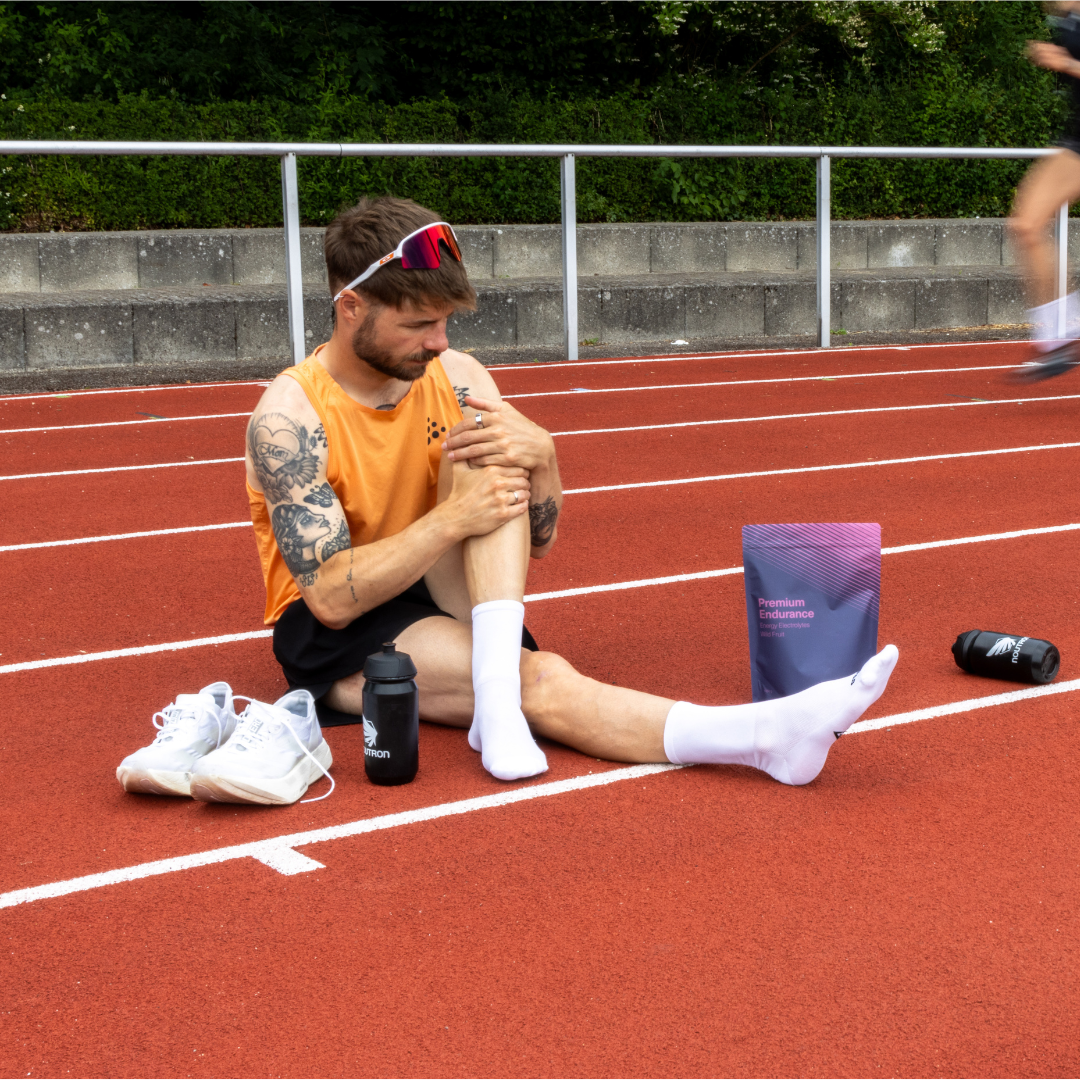
Don't start with an empty tank. Make sure your glycogen stores are full – for example, with a light meal 2–3 hours before and possibly a Premium Endurance supplement.
During training
On longer rides, you should aim for 60–90 g of carbohydrate per hour , depending on duration and intensity.
It can come from:
- Energy Gel C30
- Fuel Bar
- Premium Endurance in the drinking bottle
The goal is stable energy – not waiting until your pulse starts to race.
After training
Rapid replenishment of carbohydrates and protein supports recovery and prepares the body for the next session – for example with a Protein Bar .
Use your data – but use it wisely
Watts and heart rate are powerful tools, but only if you interpret them correctly.
Try looking at your long, leisurely walks and ask yourself these questions:
- Is the heart rate higher than normal at the same watts?
→ Check fluid intake, carbohydrates and temperature. - Is the pulse lower than normal?
→ Probably good shape and recovery. - Is the pulse unstable or unusual?
→ Sleep, stress, caffeine and general stress can play a role.
Data doesn't tell the whole story – but it does tell how your body is feeling today .
Off-season: The perfect time to get to know your body
Without competitive pressure and hard goals, the off-season is the ideal time to experiment and learn about your own reactions.
A simple experiment:
Ride two nearly identical Zone 2 rides.
- One with consistent and sufficient fueling
- One with minimal or no energy
Compare heart rate drift, sensation and recovery.
The difference will often be greater than you think.
Understanding the interaction between watts, heart rate, heat and energy is not just geeky knowledge – it is the foundation for better training, better recovery and more stable performance all year round.